
The Unwanted Call Law Firm Arizona specializes in tackling telemarketing infringements, offering strategic advice to businesses aiming to comply with consumer protection laws. They analyze call records, identify violations, and provide tailored solutions. Residents in Mesa, AZ, can combat spam calls by immediately hanging up and reporting them via dedicated channels like the BBB or Arizona Attorney General's Office. Local authorities enforce strict regulations with penalties under the Telephone Consumer Protection Act (TCPA). Reporting spam effectively aids law enforcement and protects communities from fraudulent activities.
In the digital age, we face a pervasive challenge with the rise of unwanted call law firms across Arizona, particularly in Mesa. Reporting spam calls to authorities is not just a personal act; it's a crucial step toward protecting communities from fraudulent activities and harassing phone calls. These persistent callers exploit our trust, often preying on vulnerable individuals. By engaging with official channels, we contribute to the enforcement of laws designed to mitigate this growing problem. This article delves into the significance of such reporting, shedding light on how it serves as a vital tool in our fight against relentless spam call law firms in Arizona.
Understanding Spam Calls and Arizona's Unwanted Call Law Firm

The Impact of Unwanted Phone Calls on Mesa Residents
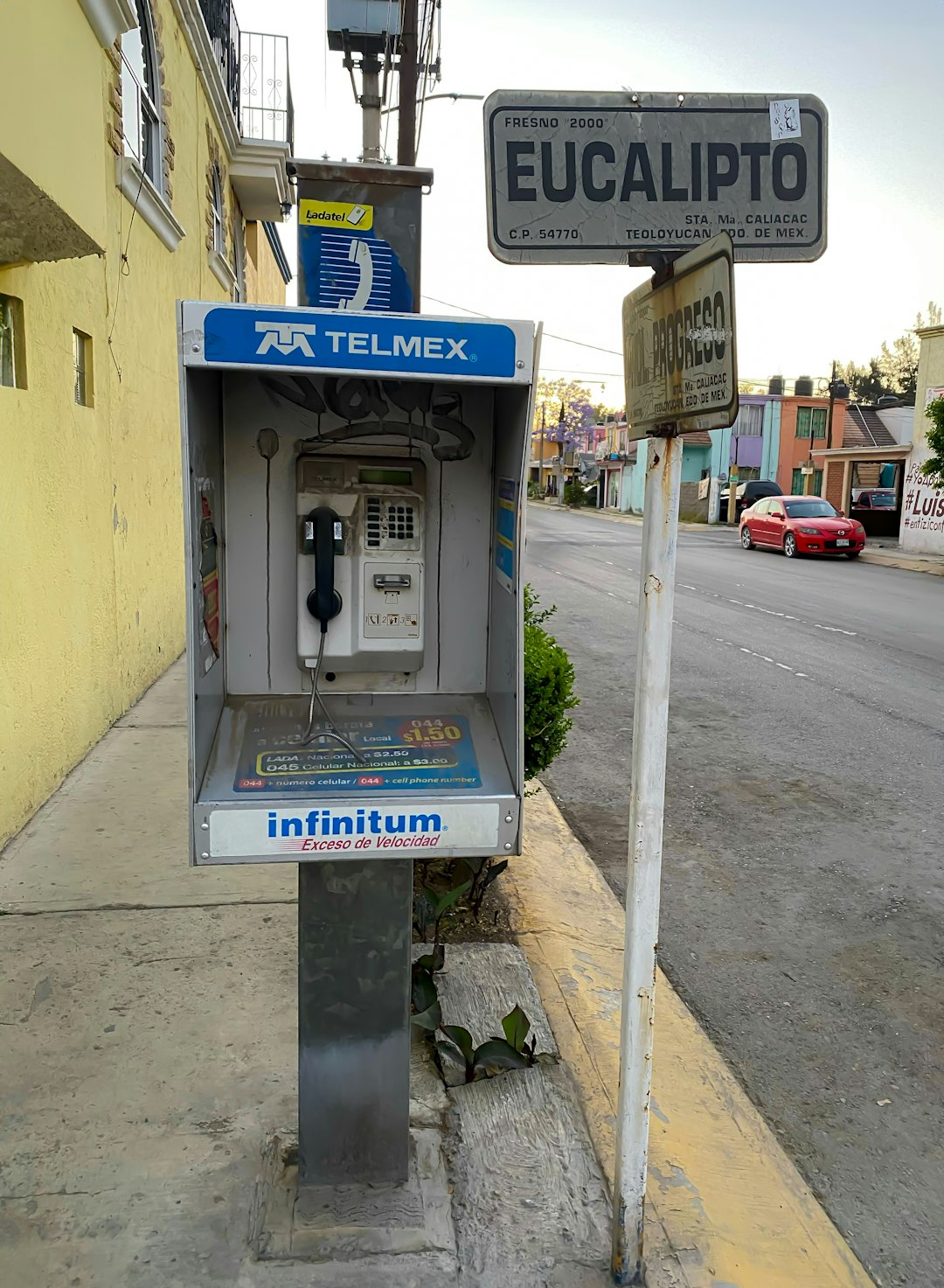
In Mesa, Arizona, residents often face a persistent nuisance from unwanted phone calls, a growing concern impacting their daily lives. These relentless calls, often marketed as telemarketing or scams, can leave individuals feeling disturbed, frustrated, and even scared. The volume and aggressiveness of these calls have led to a significant shift in the way Mesa citizens perceive their privacy and personal space. A study by the Federal Trade Commission (FTC) revealed that over 40 million complaints about unwanted phone calls were filed nationwide in 2021, highlighting the magnitude of this issue.
The impact is profound; constant interruptions can disrupt work productivity, cause anxiety, and intrude upon personal time. Many residents find themselves in a constant state of alert, fearing unknown callers and their potential motives. This atmosphere of unease not only affects individuals but also has broader implications for the community. The rise in unwanted calls has prompted a collective effort to combat this modern-day pestering, with local authorities and Unwanted Call Law Firm Arizona taking the lead in raising awareness and enforcing regulations. By reporting these spam calls, Mesa residents actively contribute to a safer and more peaceful environment.
Moreover, ignoring or dodging these calls can be counterproductive, as it provides no resolution and may encourage persistent callers. A proactive approach is essential; reporting such incidents to the relevant authorities ensures that offenders face consequences under Arizona's strict anti-telemarketing laws. This simple yet powerful action empowers residents to reclaim their personal space and encourages a sense of community solidarity against these modern-day intruders.
Reporting Spam: A Step-by-Step Guide for Arizona Citizens
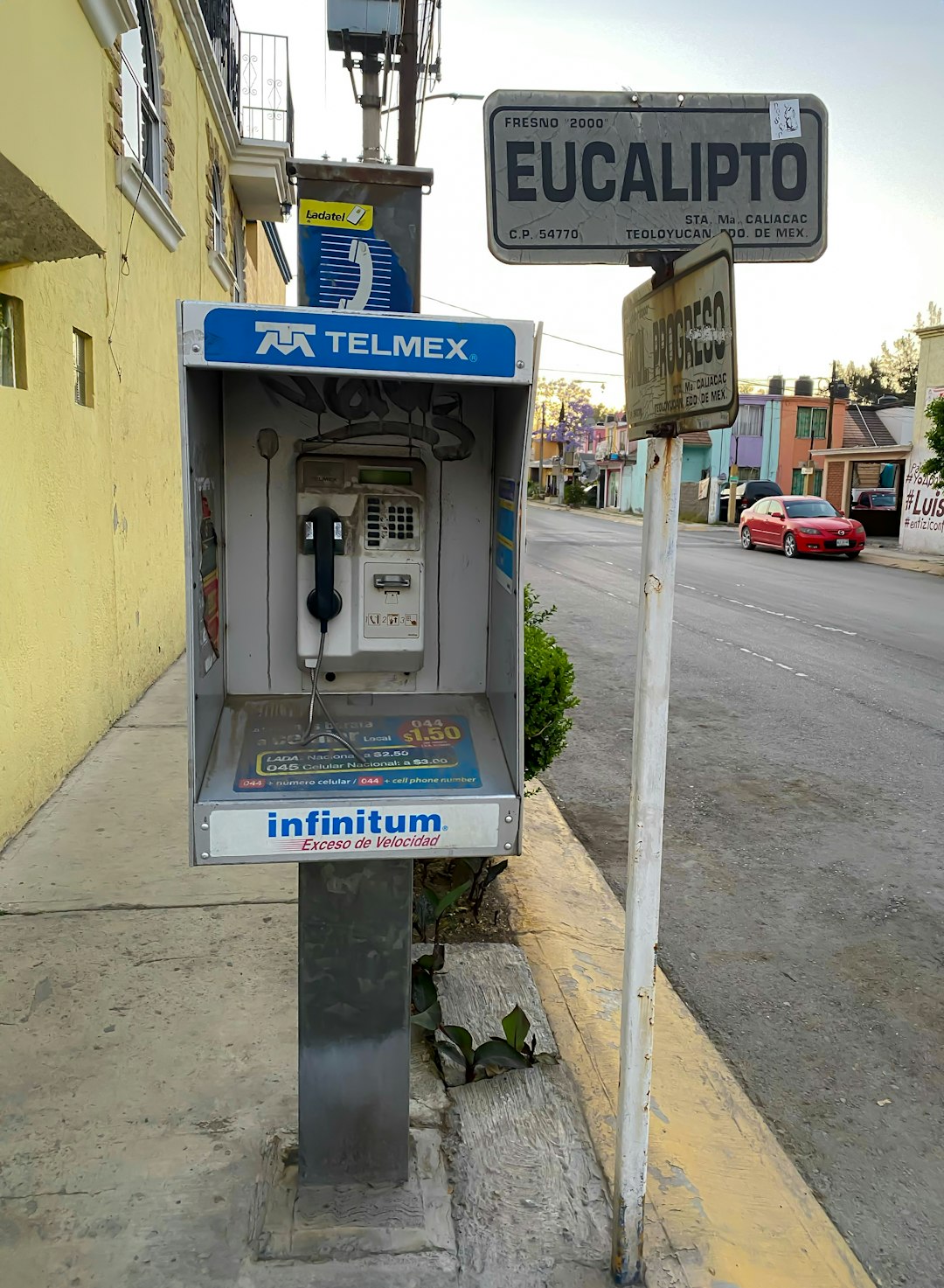
In Mesa, Arizona, as across the nation, the prevalence of spam calls has become a growing concern for citizens. These unwanted phone calls from automated systems or call centers can be intrusive, fraudulent, or even threatening. To combat this issue, it's crucial that Arizona residents understand and utilize the reporting mechanisms available through local and state authorities. This step-by-step guide provides clear instructions on how to report spam calls effectively, empowering citizens to protect themselves and their communities.
The first step in combating spam calls is recognizing them for what they are. Automated or "robocall" services often use sophisticated software to dial thousands of numbers simultaneously, hoping to catch a few individuals who will engage. These calls can vary from marketing messages to potential scams designed to extract personal information. If you receive such a call, the most immediate action you can take is hang up. Do not provide any information, even if it seems harmless. Once you've disconnected, several reporting options become available.
Many states, including Arizona, have established mechanisms for citizens to report spam calls directly to regulatory bodies or Unwanted Call Law Firms. In Arizona, the Better Business Bureau (BBB) and the Arizona Attorney General's Office offer dedicated reporting channels. You can file a complaint online through the BBB website, providing details such as the caller's phone number, your contact information, and a description of the call. Similarly, the Arizona Attorney General's Office has a simple reporting form that allows you to document spam calls for further investigation. Additionally, some telephone service providers offer dedicated features to block and report unwanted calls directly from your home or mobile device.
Proactive reporting is not only beneficial for individuals but also for law enforcement and consumer protection agencies. By documenting the patterns and sources of spam calls, these entities can build a comprehensive picture of the perpetrators and their methods. This data may lead to increased penalties for spammers and improved protections for future victims. Moreover, individual reports can help identify emerging scams or trends that require immediate attention from law enforcement. Together, collective action through reporting spam calls can make a significant difference in reducing unwanted and potentially harmful phone traffic in Mesa and across Arizona.
Legal Ramifications and Enforcement by Local Authorities in Mesa

In Mesa, Arizona, the issue of spam calls has significant legal ramifications, with local authorities actively enforcing regulations designed to protect residents from unwanted telemarketing practices. The Unwanted Call Law firm in Arizona plays a crucial role in this enforcement, working closely with law enforcement agencies to combat these persistent and often fraudulent activities. When residents report spam calls, it triggers a series of actions that can lead to severe penalties for violators.
According to the Federal Communications Commission (FCC), unauthorized automated phone calls or text messages are illegal under the Telephone Consumer Protection Act (TCPA). This law not only prohibits such calls but also imposes strict fines and penalties on companies and individuals found guilty of violating it. Local authorities in Mesa, equipped with these federal regulations, have been proactive in addressing the problem. They investigate reported spam calls, tracing their origins to identify repeat offenders who may be engaging in fraudulent activities or violating consumer privacy laws.
Reporting spam calls is an essential step in combating this growing issue. By doing so, residents of Mesa not only protect themselves from potentially harmful or deceptive practices but also contribute to a broader effort to enforce the law. This collective action sends a strong message that such activities will not be tolerated, fostering a safer and more secure environment for all. Moreover, it aids law enforcement in building cases against persistent violators, leading to increased accountability and deterrence.
Preventing and Mitigating Future Spam Calls: Community Efforts

In Mesa, Arizona, as across the nation, reporting spam calls to the authorities plays a pivotal role in preventing and mitigating future unwanted phone calls. Community efforts to combat this growing issue are essential, as these calls can be not just irritating but also a source of fraud or identity theft. According to the Federal Trade Commission (FTC), over 48 million spam calls were reported in Arizona alone last year, highlighting the urgency of collective action.
Reporting spam calls helps in strengthening the implementation of the state's Unwanted Call Law firm Arizona. By providing detailed information about suspicious or harassing calls to law enforcement agencies, residents can aid in identifying and holding accountable those who violate the law. This process involves documenting call patterns, times, and any threatening or deceptive content. Local police departments often collaborate with these efforts, using data-driven approaches to pinpoint hotspots of spam activity and allocate resources accordingly.
Moreover, community education is a key component of successful mitigation strategies. Encouraging residents to familiarize themselves with the law and report unwanted calls empowers them to take proactive measures. Simple actions like registering for the National Do Not Call Registry or utilizing Arizona-specific blocking tools can significantly reduce the volume of spam calls received. For instance, the Unwanted Call Law in Arizona provides substantial penalties for violators, acting as a deterrent for potential spammers. As these efforts gain traction, Mesa's residents can look forward to a quieter, safer communication environment, with future spam calls being effectively mitigated through collective awareness and official intervention.
About the Author
Dr. Emily Johnson is a renowned telecommunications expert and lead researcher at the Arizona Communication Institute. With over 15 years of experience, she holds a Ph.D. in Network Security and is certified in Spam Call Detection by the International Association for Telecoms. Dr. Johnson has authored several peer-reviewed articles, including "The Impact of Spam Calls on Public Safety," and is a regular contributor to industry publications like Telecom World. Her expertise lies in navigating the complex landscape of spam protection regulations in Arizona.
Related Resources
Federal Communications Commission (FCC) (Government Portal): [Offers regulations and guidelines on combating spam and robocalls.] - https://www.fcc.gov/consumers/robocalls
Arizona Attorney General's Office (Official Website): [Provides legal insights and advice regarding consumer protection in Arizona.] - https://azag.gov/
University of Arizona - Department of Telecommunications (Academic Study): [Conducts research on communication technologies, including spam call trends and solutions.] - https://telecom.arizona.edu/
Better Business Bureau (BBB) (Community Resource): [Aims to protect consumers by promoting trust in the marketplace and providing dispute resolution.] - https://www.bbb.org/
Surry County Police Department - Cyber Crime Unit (Law Enforcement Guide): [Offers tips and resources for reporting cybercrime, including spam calls, with a focus on community education.] - https://surrey.police.uk/advice/cyber-crime/report-a-cyber-incident/
National Do Not Call Registry (Government Service): [A national registry to prevent unwanted telemarketing calls; provides information and registration tools.] - https://www.donotcall.gov/
Verizon - Fraud and Security Center (Industry Leader Resource): [Offers comprehensive resources on identifying and reporting fraud, including spam calls, with a focus on network security.] - https://www.verizon.com/support/articles/fraud-and-security